Checklist for buying a house
1. Get your finances in order. Pay your bills on time and don't open any new lines of credit.
2. Get pre-approved for a mortgage. Find out how much you can borrow before you start your search.
3. Establish your search criteria. Carefully consider the difference between your wants and your must-haves.
4. Visit properties. There is no substitute for going to see properties in person.
5. Make an offer. This is when your agent's expertise in selecting comparable sales and understanding the local market conditions will be invaluable.
6. Have the home inspected and appraised. An inspector can help you determine any concerns with the home's conditions. An appraiser will determine its value.
7. Complete the loan process. Once all the paperwork is done and the appraisal accepted, your lender will issue a clear to close.
8. Close! This is the day you sign all the purchase documents and receive your keys.
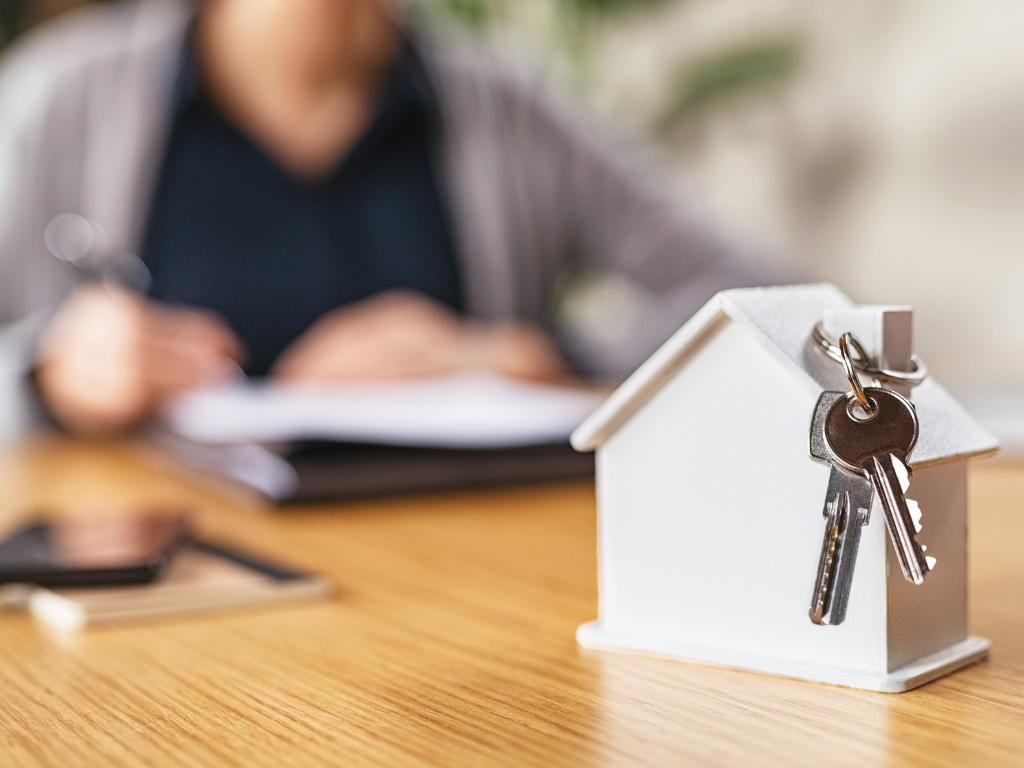
Choosing a Realtor
Finding an agent early in the home buying process is important because a good agent will help you set realistic goals for your search and they will have relationships with good local lenders. Using a lender that can work with your financial situation and get you to the closing table on time is an important part of making your dream of homeownership come true.
Experience Matters
We're currently in a market with low inventory. That means your agent's ability to present an attractive offer to the sellers and negotiate on your behalf is going to be very important. Surprisingly, more money isn't always what makes an offer the winning bid. You need an agent who understands that.
Are They Dedicated to Buyers?
If an agent also lists, that means you won't have their undivided attention. They'll sometimes need to be focused on negotiating deals for the properties they're selling. Our team's buyers' agents only work with buyers. That means they'll always be focused on you. And, because we're a team, you'll always have someone available to show you a property, even last minute.
Clear Communication
Communication with your agent is important throughout the process. You want someone who will respond quickly and in your preferred method - text, email, or phone calls. Also, as you're speaking with them, are they explaining things clearly? Do their answers sound rooted in experience and market data?
Trust
This is probably the biggest purchase you'll make. Do you trust that they're looking out for your best interest and not just trying to make a sale? Will they honestly explain to you the pros and cons of different homes and areas you're considering so that you don't get stuck with something that loses value or is difficult to sell in the future?
You worked hard to save money for a home, and you deserve to be represented by an agent who wants the very best for you. One who has the skills to get you into your dream home, but how do you find that agent? A referral from a trusted friend or family member is a great way. Or, you can try Google, but you're going to get thousands of results, and that's a lot of reviews to read through!

Risks of buying a house without a realtor
We've outlined the top 5 potential pitfalls:
1. You've Been Had
You fell in love with the finishes but overlooked the deferred maintenance. What’s it going to cost you? Can you spot the difference between a $50 repair and a defect that will cost thousands? The listing agent isn’t your advocate. They work strictly for the seller to sell the home at the highest possible price.
2. Overpaying
How are your negotiating skills? You may not get the best deal possible if you go up against an experienced agent. The data found on online consumer real estate sites doesn’t accurately reflect local market trends and property values. Without access to the correct information based on truly comparable sales, how do you know you're paying a fair price? If you end up in a multiple-offer situation, do you know which factors, other than money, may entice the buyer to accept your offer?
3. Poor Resale Value
This is your forever home, right? Statistically speaking, it probably isn't. Do you understand the aspects of the home, neighborhood, and local area that will influence its future resale value? Picture yourself down the road with a job opportunity or a change in your life circumstances that requires you to move. How will you feel if you can't sell the house or you have to sell it for less than you paid for it?
4. You're Sitting in Traffic
Do you track local traffic patterns? Do you know what future development is planned in the surrounding area and how it will impact things like school attendance zones, traffic levels, noise levels, construction traffic, and things of that nature? Will it matter to you if you move in one day, and another day they tear down the woods next door to begin construction of a new strip mall?
5. You're Next to a Retention Pond
The on-site sales agent gave you a great deal on a lot! But why? Do you know how to evaluate the quality of the lot? Beyond the lot, do you know how to determine if you're paying too much for upgrades or making the wrong selections? Remember, the on-site sales agent works for the builder and has their best interest in mind. Not yours.
So, instead of asking yourself, "Can I buy a house without a realtor?", maybe the better question is, should you? Hopefully, highlighting these 5 risks of buying a house without a realtor will help you decide. If you'd like to understand these risks more fully and hear how an agent could be a real difference-maker, see below. We've put together a blog and a video that go into greater detail.
Do I need a realtor to buy a house?
In this blog post, our lead buyer's agent sheds light on the risks of buying a house without a realtor and offers insights on how an agent can help you avoid them.
Read Blog
Risks of buying a house without a realtor.
Give us 5 minutes to make our case! In this brief video, our agents discuss a few common problems an unrepresented buyer can expect to face.
Watch Video
How to buy a new construction home.
Buying new construction presents unique challenges. We have an entire page dedicated to new construction homes.
Visit Now
How do I pick an agent to work with?
Hire an agent whom you trust to have your best interests in mind. Your agent should be a trusted resource who can advise you when making decisions on which home to purchase and answer the many questions that are sure to come up.
What criteria should I use to start my home search?
There are many questions to ask yourself regarding your search criteria, including but not limited to area location, schools needed, community amenities, commute to work, and home size.
How should I start my search?
You’ve probably visited a variety of real estate websites and have an idea of the homes and areas you like. When you’re ready to get serious about your search, if you work with one of our agents, she’ll set you up on an automated search through the Compass portal, called Collections. This search will consist of homes meeting your criteria. Your Collection will be updated daily. After reviewing the homes in your Collection, you can let your agent know which ones you want to see in person.
Can I buy a home after seeing it online?
Yes, but you SHOULDN’T. You need to visit any home you’re considering in person. You need to see the area around it and use all five of your senses to be sure the house is a place you really want to call home.
Can I negotiate on price?
Yes. Once you have seen “THE” home, your Home with Sherry Team agent will draft an official offer using the Georgia Association of Realtors (GAR) forms. The signed offer will be presented to the Listing Agent, who will, in turn, present it to the seller. The seller will either accept, counter, or reject the offer. Your agent will guide you through the negotiation process. Once all parties have agreed to the terms of the offer, the offer is signed, becoming a binding contract. You are now under contract.
Do I need to be pre-qualified or pre-approved?
Get pre-approved. This means a lender has reviewed your finances and is willing to lend you money up to a certain amount. This will help you focus your search on homes you can afford and will put you in a stronger position to make an offer.
What is a conventional mortgage?
A mortgage or Deed of Trust not obtained under a government-insured program such as FHA or VA.
What is a fixed-rate mortgage?
A loan on which the interest rate and monthly payment do not change.
What is a bridge loan?
A bridge loan pulls equity from your primary residence to use as a down payment on your next home.
What is an earnest money deposit?
Buyers in Georgia usually deposit 1%-2% of the purchase price to demonstrate that the buyer is serious about purchasing the home. It is usually refundable if a contingency in the sales contract cannot be met. This amount will be higher in a new-construction purchase.
What is a contingency?
Certain criteria must be met to finalize the sale.
What is a credit?
Money credited to a buyer from a seller through escrow at closing. Most often, credits are given in the form of a sales price reduction or closing costs credit. This will be negotiated during the due diligence period and generally relates to items discovered during the home inspection.
What is an inspection, and do I need one?
You will be given a limited timeframe in which to conduct inspections. Typical inspections include a general home inspection, stucco inspection (if the home is stucco), a radon test, a septic inspection (if the home has a septic tank), and a land survey. Your general home inspector may suggest additional inspections. These may include HVAC systems, roofing, structural, etc. If items of concern are discovered during this inspection period, you may be allowed to reopen negotiations on the price and/or terms of the sale or ask for repairs to be made before closing. Should the terms of the original binding contract be changed, amendments will be signed. If, during the due diligence period, you cannot come to terms with the seller, you may have the option to terminate the contract and receive a full refund of all earnest money.
What is an appraisal?
Assessment of the property’s market value, for the purpose of obtaining a mortgage, and performed by a licensed appraiser.
What is assessed value?
Value placed upon property for property tax purposes by the Tax Collector.
What is a final walkthrough?
A final walkthrough of the home is performed before closing. Your Home with Sherry Team agent will accompany you for this walkthrough. The walkthrough confirms that no damage has been done to the home since the time of the inspection(s) and that the major systems and appliances are in working order.
What is a closing?
Once all the conditions of the contract and amendments have been satisfied, the closing is held. A closing attorney, representing the lender (or buyer in a cash
transaction), will facilitate the signing of the closing documents. Payment is exchanged, and the buyer receives the keys.
What is a closing statement?
Statement listing the financial settlement between Buyer and Seller, and the costs each must pay.
What are closing costs?
Expenses incidental to a sale of real estate such as loan fees, appraisal fees, title insurance, HOA fees, and prepaid fees to fund your escrow account, if any (this pays your property tax and insurance). Closing costs range from around 1% (cash closings) to 3% of sales price.
What is a home warranty?
A policy that covers certain repairs (plumbing/heating) of a newly purchased home typically for one year.
What is a preliminary title report?
A report showing the condition of the title before a sale or loan transaction. After completion of the transaction, a new title insurance policy will be issued.
What is title insurance?
Insurance protects the buyer and lender against losses arising from disputes over the ownership of a property.
What are recording fees?
Money paid to the lender for recording a home sale with the local authorities, thereby making it part of the public records.


Start the home buying process off right
Completing our homebuyers questionnaire will help narrow your focus and more fully understand what you need and want in your new home.